

Ozonated Glycerin Therapy
Natural Biofilm Defense and Tissue Restoration in Glenview, IL
Harnessing Activated Oxygen to Clear Resistant Infections, Soothe Mucosal Tissues, and Stimulate Deep Healing
Chronic ear infections, recurrent bacterial hot spots, resistant fungal dermatitis, and painful mouth sores can trap pets in an exhausting cycle of antibiotic regimens and steroid treatments. At Bhatt Integrative Veterinary Specialty, we utilize Ozonated Glycerin ($O_3G$)—an advanced, non-toxic bio-oxidative therapeutic that delivers active oxygen directly to damaged cells while destroying problematic microbial biofilms.
Why Ozonated Glycerin Surpasses Traditional Ozonated Oils
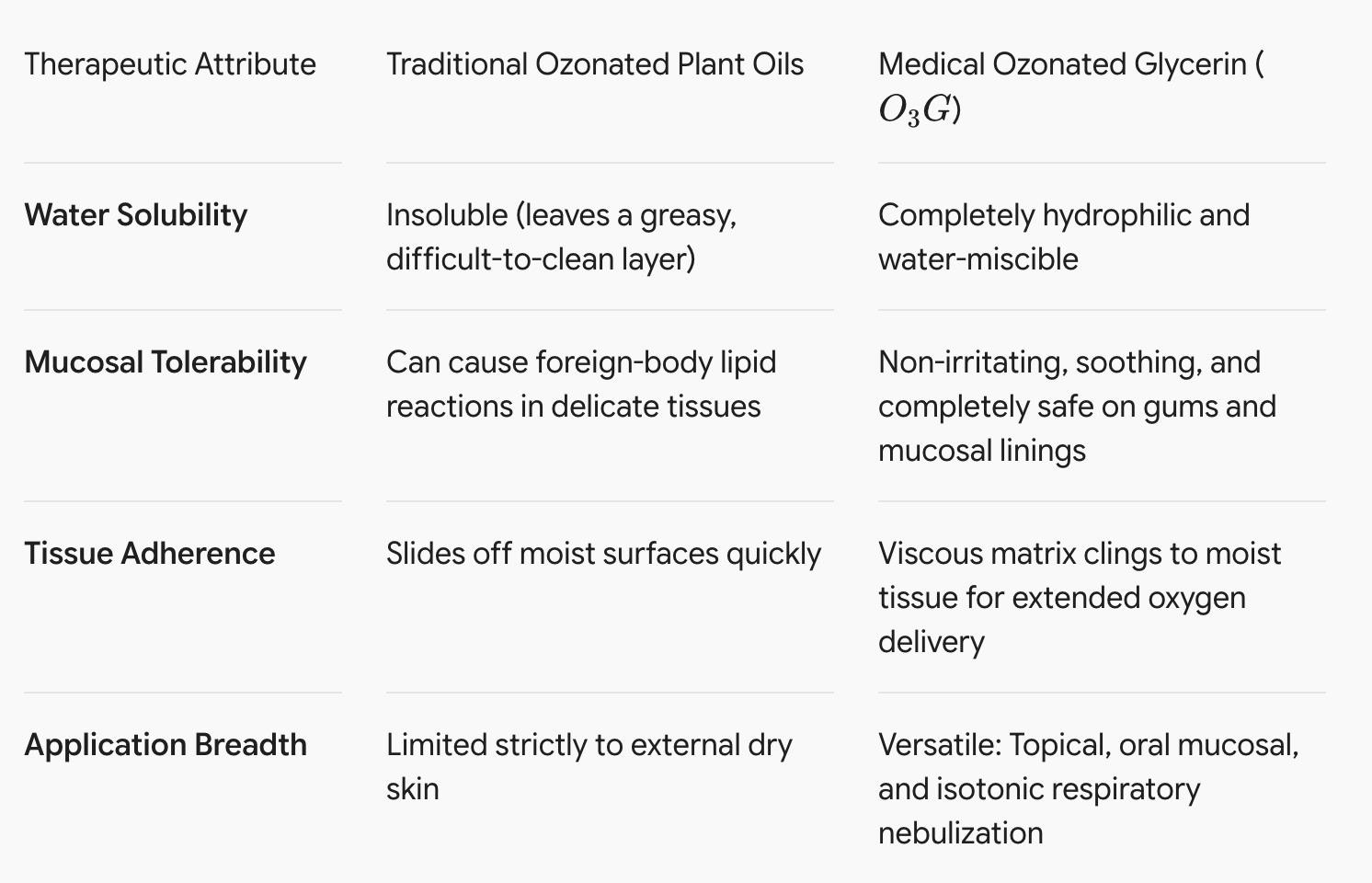
For decades, integrative medicine relied on ozonated olive or sunflower oils. However, plant oils are heavy, hydrophobic (water-repelling), and form an occlusive barrier that can clog pores or irritate inflamed mucous membranes.
Our clinic utilizes pharmaceutical-grade vegetable glycerin infused with medical-grade ozone gas, offering profound clinical advantages:
How Ozonated Glycerin Accelerates Healing
Targeted Microbial Action: The stable ozonides within the glycerin matrix oxidize the outer lipid walls of bacteria, fungi, and viral capsids. This physical mechanism eliminates resistant pathogens without fostering antibiotic resistance.
Biofilm Disruption: Stubborn, chronic skin and ear conditions often hide under sticky extracellular biofilms that block topical medicines. Ozonated glycerin breaks down this matrix, leaving bacteria vulnerable to natural immune clearance.
Nrf2 Pathway & Antioxidant Activation: Low-dose, balanced oxidative signaling stimulates the cell’s internal Nrf2 pathway, driving the production of protective enzymes such as catalase, superoxide dismutase, and glutathione.
Microvascular Dilation: Stimulates local endothelial nitric oxide synthesis (eNOS), opening constricted capillaries to flood oxygen-deprived tissues with fresh, nutrient-rich blood.
Clinical Applications in Canine and Feline Care
Dr. Bhatt integrates ozonated glycerin across several clinical applications:
Dermatological Protocols: Clears acute moist dermatitis (hot spots), interdigital cysts, Malassezia yeast dermatitis, deep fold pyodermas, and chronic decubital pressure sores.
Periodontal & Stomatitis Support: Soothes inflamed gingiva, cleanses periodontal pockets, and aids cats managing feline chronic gingivostomatitis or resorptive neck lesions.
Respiratory Nebulization: Administered via ultrasonic nebulizer in isotonic sterile saline to loosen thick mucus, calm inflammation, and combat airborne pathogens in chronic feline bronchitis or canine cough complex.
Wound Management: Applied directly to contaminated lacerations, puncture wounds, and slow-healing surgical sites to accelerate granulation tissue formation.
Frequently Asked Questions (FAQs)
Does ozonated glycerin sting or burn when applied?
No. Unlike harsh chemical disinfectants, pharmaceutical-grade ozonated glycerin is soothing, gentle, and moisturizing. Pets generally tolerate topical and oral applications comfortably without distress.
Is it safe if my dog or cat licks the treated skin?
Yes. Ozonated glycerin contains no toxic artificial preservatives, synthetic fragrances, or petroleum derivatives. If your pet licks a topically treated area, it breaks down into harmless natural glycerin and oxygen metabolites.
Can ozonated glycerin be used alongside conventional antibiotics?
Yes. Ozonated glycerin works synergistically with standard medical therapies. By disrupting thick microbial biofilms, it often enhances the effectiveness of concurrent supportive therapies prescribed by your veterinarian.