

Why I Practice Integrative Veterinary Medicine
I'm not a holistic veterinarian who rejects modern medicine. I'm an integrative veterinarian who believes your pet deserves both cutting-edge diagnostics and time-tested natural therapies working together. At my practice, Bhatt Integrative Veterinary Specialty in Glenview, Illinois, I combine Western medicine with acupuncture, Chinese herbs, and other natural modalities because I've seen firsthand how this approach helps pets when conventional care alone isn't enough.
Let me be clear from the start: I believe in antibiotics when your pet has a raging infection. I prescribe chemotherapy for aggressive cancers. I use pain medications when animals are suffering. But I also know these powerful tools work better when we support the whole patient body, mind, and spirit, throughout their healing journey.
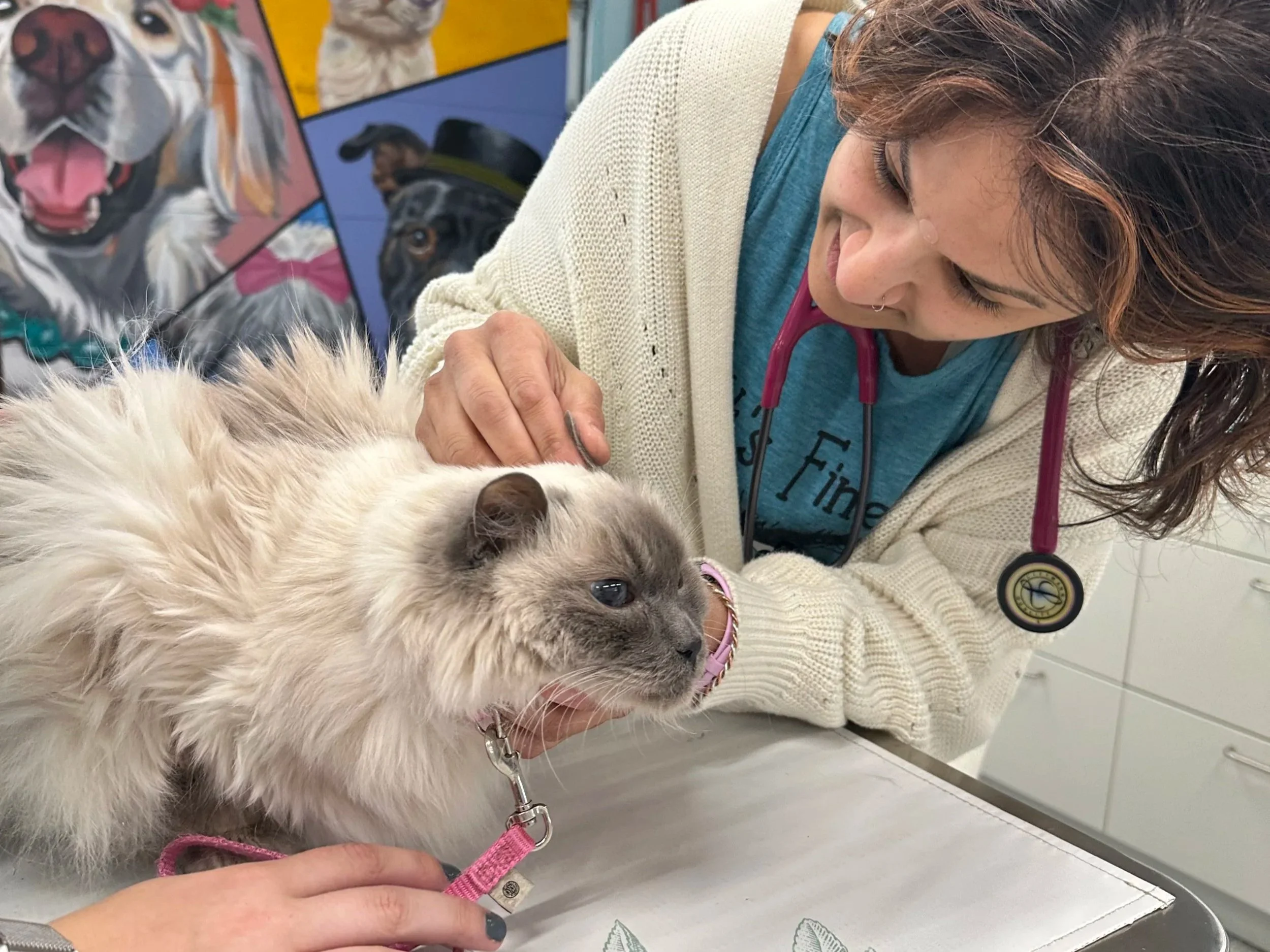
My Approach: Diagnosis First, Then Integration
When you bring your pet to me, whether they're coming from down the street or flying in from another state, I always start with Western diagnostics. Blood work, imaging, biopsies, whatever it takes to understand exactly what's happening inside your pet's body. I trained at the University of Illinois College of Veterinary Medicine, and that scientific foundation guides everything I do.
Why does this matter? Because I've seen too many pets harmed by well-meaning practitioners who jumped straight to "natural" treatments without first understanding the problem. That limp might be arthritis, or it could be bone cancer. That chronic diarrhea might need probiotics, or it could be inflammatory bowel disease requiring immunosuppression. Guessing isn't medicine.
Once I have a clear diagnosis, that's when my additional training through the Chi Institute becomes invaluable. With certifications in veterinary acupuncture (CVA), Chinese herbal medicine (CVMMPa), food therapy (CVFT), and my recent Advanced Veterinary Medical Manipulation certification (2024), I can layer complementary therapies onto conventional treatment in ways that amplify healing.
"Medicine Saved My Patients' Lives"
I need to address something important: I am not anti-medication. This might surprise people seeking integrative care, but I've watched antibiotics pull pets back from the brink of death. I've seen chemotherapy give families precious extra years with their beloved dogs. I've prescribed steroids that stopped immune systems from destroying red blood cells.
The difference in my practice is that I don't stop there.
When I prescribe antibiotics, I also protect your pet's microbiome with probiotics and prebiotics. During chemotherapy, I use acupuncture to control nausea and Chinese herbs to support white blood cell production. If your pet needs long-term pain medication, I combine it with acupuncture and rehabilitation to potentially reduce the dose over time, protecting their kidneys and liver.
This isn't about choosing sides. It's about using every tool available to help your pet heal.
Learning from My Family's Medical Legacy
My passion for integrative medicine runs deep in my family. My father, Dr. Nikhil J. Bhatt, who established the ENT Laser Institute at UIC, taught me that excellence means constantly innovating. My mother, a board-certified ophthalmologist, showed me the importance of seeing each patient as an individual. Growing up with two physician parents, I learned medicine is both an art and a science. Now I'm honored to extend our family's healing legacy into veterinary medicine, even offering ENT services for pets as a unique bridge between my father's specialty and my own practice.
When East Meets West: Real Results
Through my Chi Institute training with masters like Dr. Huisheng Xie, I learned to see disease through two lenses simultaneously. Western medicine might diagnose "chronic kidney disease stage 2," while Chinese medicine sees "Kidney Yin deficiency with Empty Heat." Both perspectives are valid. Both offer solutions. Together, they're powerful.
Here's what this looks like in practice: A dog with arthritis comes to me already on NSAIDs, but still painful. I don't stop the medication since it's providing necessary relief. Instead, I add:
Targeted acupuncture to move stagnation and reduce inflammation at specific points
Chinese herbal formulas customized to their unique pattern
Food therapy recommendations (warming foods for cold patterns, cooling foods for heat)
Sometimes ozone therapy or PRP injections for regenerative support
The result? Many patients need less medication over time. They move better, play more, and regain quality of life their families thought was gone forever.
The Hard Truth About "Natural" Alternatives
Here's where I might disappoint some people: there are no herbs that replace heartworm prevention. No essential oils reliably prevent tick-borne diseases. I've seen too many dogs die from preventable heartworm disease because someone on the internet convinced their owner that garlic or black walnut would protect them.
These parasites cause real organ damage. We have safe, effective preventatives that have been tested on millions of pets. Use them.
But here's what's important: integrative medicine still helps. I support pets through parasite prevention with liver support during tick season, gut protection during deworming, immune optimization to reduce parasite attraction, and careful product selection for sensitive patients.
The goal isn't replacing proven prevention. It's making it work better for each individual pet.
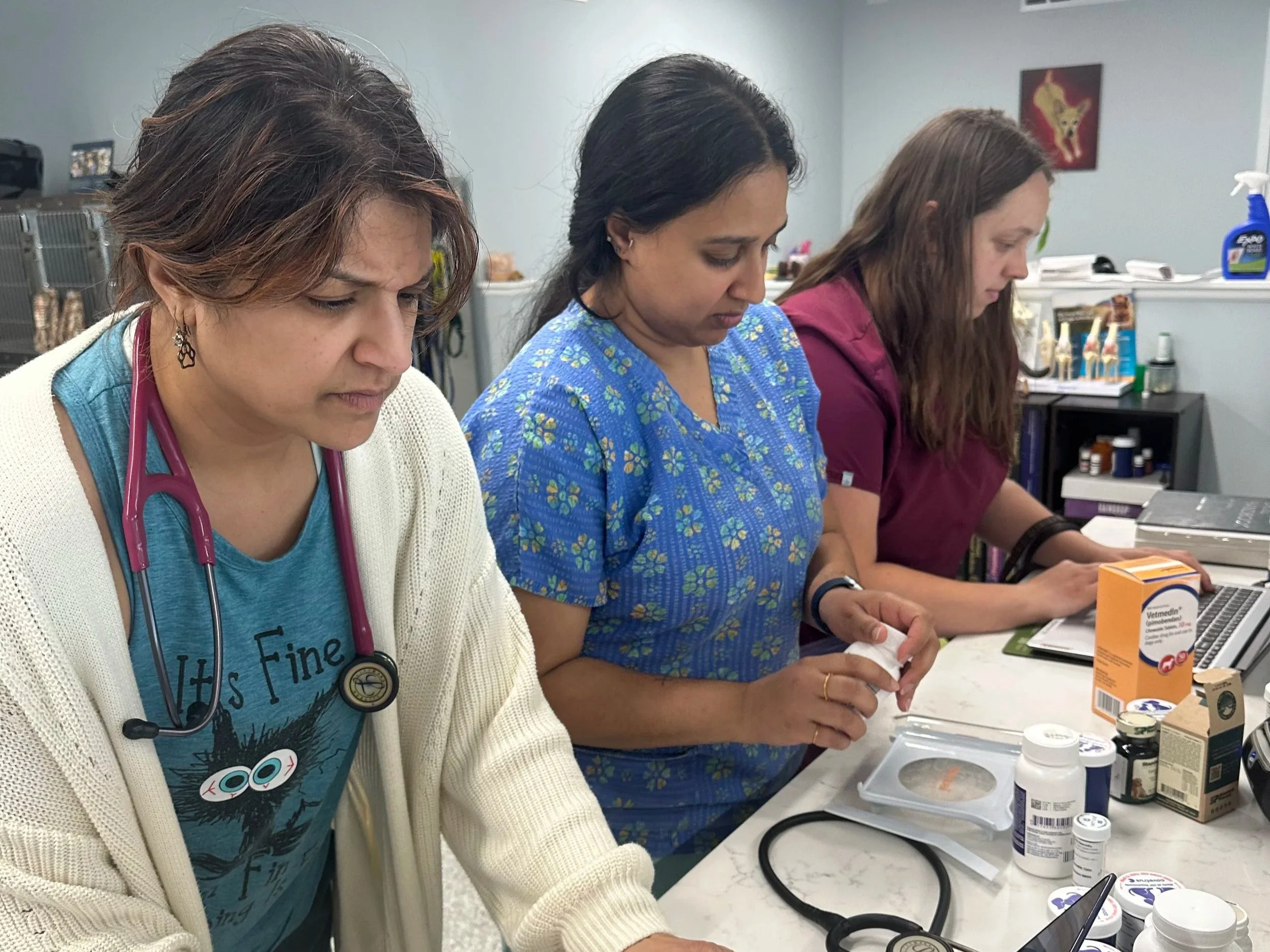
Where Integrative Medicine Truly Shines
After years of practice, formerly as Arya Animal Acupuncture and now as Bhatt Integrative Veterinary Specialty, I've found certain conditions respond remarkably well to integrative approaches:
Cancer Support
When I work with oncology cases, often in collaboration with specialists, I don't replace conventional treatment. I enhance it. Mistletoe therapy can support immune function during chemotherapy. Acupuncture manages side effects. Chinese herbs may help the body respond better to treatment. Nutrition becomes medicine, starving cancer cells while nourishing healthy tissue.
Chronic Pain and Mobility
For the senior dog who can't get up anymore, or the young cat with chronic back pain, I combine appropriate pain medication for immediate relief with acupuncture to reduce inflammation naturally, ozone therapy to decrease pain signals, PRP injections to stimulate healing, and rehabilitation exercises adapted from human physical therapy.
Kidney Disease
Western medicine manages kidney disease well, but Chinese medicine offers additional support. I use acupuncture to improve blood flow to the kidneys, herbs to support remaining function, and food therapy to reduce kidney workload. The combination often stabilizes patients longer than conventional treatment alone.
Digestive Disorders
When conventional treatments plateau, I've seen remarkable results with fecal microbiota transplants, targeted probiotics, food therapy based on Chinese medicine principles, and acupuncture to regulate digestive function. The gut influences everything from immunity to mood to inflammation, so healing it properly changes the whole patient.
Your Role in Your Pet's Healing
I believe in team-based medicine. You know your pet better than anyone. Your primary veterinarian knows their medical history. I bring specialized training in integrative medicine. Together, we're more powerful than any of us alone.
During consultations, I don't pressure you into treatments. I educate. I explain what Western diagnostics show, what Chinese medicine patterns I observe, and what treatment options exist including conventional, natural, and integrated approaches. Then we decide together what fits your pet's needs, your comfort level, and your family's situation.
Some families want everything possible. Others prefer minimal intervention. Many fall somewhere between. There's no judgment here, only honest discussion about what might help your pet.
Serving Pets Locally and Nationwide
While I primarily serve Chicagoland from our Glenview location, my dual licensure in Illinois and California allows me to consult on complex cases nationwide. Families fly in from across the United States seeking the advanced integrative treatments we offer, treatments that simply aren't available in many areas.
With payment plans available and educational resources through our YouTube channel and social media (@BhattVetSpecialty), I try to make integrative medicine accessible to as many pets as possible.
When to Consider Integrative Medicine
Consider scheduling a consultation if you’re looking for prevention (immune system support) or your pet has:
Cancer requiring support beyond conventional oncology
Chronic pain not fully controlled by medication
Kidney or liver disease needing additional support
Recurring infections or immune issues
Digestive problems that won't resolve
Neurological conditions with limited conventional options
Quality of life concerns during serious illness
The best time to explore integrative options? Before you've exhausted all conventional treatments. When we combine approaches from the beginning, pets often experience better outcomes with fewer side effects.
My Promise to You and Your Pet
As I often tell clients: "Knowledge is power and can open doors to many healing pathways." My mission isn't just to treat your pet. It's to educate you, communicate openly about all options, and work together toward healing.
I won't promise miracles. I won't claim natural cures for incurable diseases. But I will bring everything I've learned from my conventional training at Illinois to my integrative certifications from the Chi Institute, from my family's medical legacy to my years of clinical experience, to help your pet live the best life possible.
Multiple minds are better than one. Let's work together to find the right path for your pet.
Dr. Priya Bhatt, DVM, MS, CVA, CVFT, CVMMPa
Founder, Bhatt Integrative Veterinary Specialty
Glenview, Illinois.