

Winter Rat Poison Dangers
What Illinois Pet Parents Need to Know
Rodenticide exposures may increase during colder months when rodents seek shelter indoors. Four completely different types of rat poison exist, each affecting the body differently. The specific type determines treatment urgency and approach.
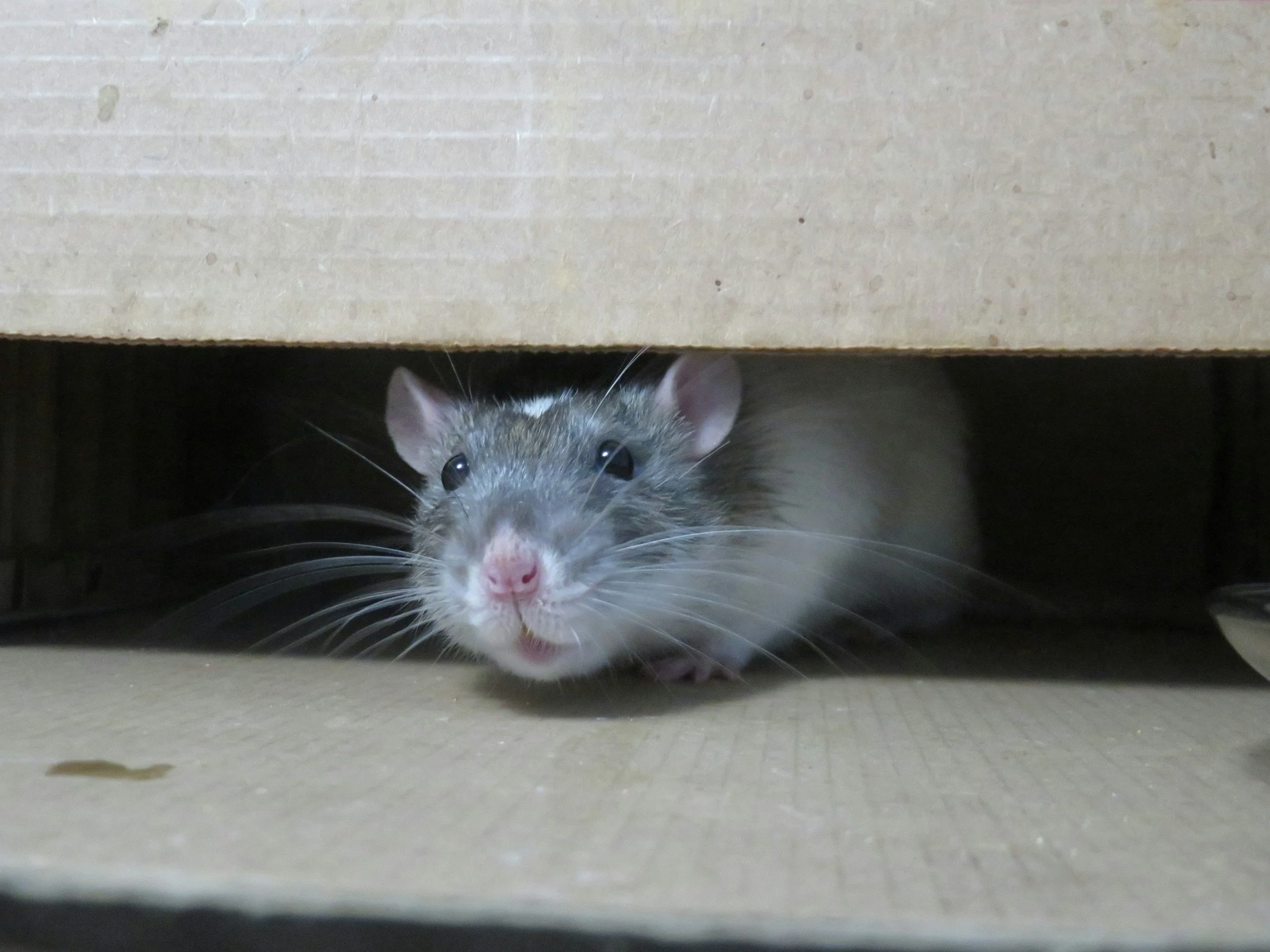
Four Types of Rodenticides
Anticoagulant Rodenticides
Anticoagulants block vitamin K activation needed for blood clotting. Dogs are more sensitive than cats to these compounds. Coagulopathy typically develops 3-5 days after ingestion of a sufficient dose.
Clinical signs may include:
Bleeding from gums or nose
Blood in urine or stool
Bruising without trauma
Weakness or collapse
Pale gums
Treatment involves vitamin K1 supplementation for a duration determined by the specific compound and follow-up testing. Some second-generation anticoagulants require extended treatment periods. Severe cases may need blood transfusions.
2. Bromethalin
Bromethalin uncouples oxidative phosphorylation in mitochondria, especially in the brain, causing cerebral edema. Cats are more sensitive than dogs to this toxin.
Higher doses may cause (within 2-24 hours):
Severe tremors
Seizures
Hyperexcitability
Lower doses may cause (delayed several days):
Hind limb ataxia or paresis
Loss of coordination
Progressive neurological decline
No antidote exists for bromethalin. Treatment focuses on aggressive decontamination and supportive care.
3. Cholecalciferol (Vitamin D3)
Cholecalciferol causes hypercalcemia and hyperphosphatemia, leading to soft tissue mineralization. Signs typically appear 36-48 hours after exposure.
Progression includes:
Initial anorexia, weakness, depression
Vomiting
Polyuria/polydipsia and dehydration
Acute renal failure within 2-3 days of exposure
Treatment requires intensive, prolonged hospitalization to manage calcium levels and protect kidney function. Prognosis is guarded to poor when hypercalcemia, hyperphosphatemia, or tissue mineralization is present.
4. Metal Phosphides
Zinc and aluminum phosphides produce phosphine gas when exposed to stomach acid. This reaction occurs rapidly, often within one hour of ingestion.
Signs include:
Severe gastrointestinal distress with vomiting
Hemorrhage
Cellular hypoxia
Shock and convulsions
Often rapid death
Phosphine gas from vomit is hazardous to humans and has a fishy or garlic-like odor. Animals should be handled outdoors or in well-ventilated areas. No antidote exists. Treatment involves supportive care and potentially antacid therapy.

Emergency Response
If rodenticide exposure occurs:
Locate the product packaging immediately
Identify the active ingredient (not brand name)
Note the time of exposure
Contact your veterinarian or emergency clinic
Do NOT induce vomiting unless directed by a veterinarian
Information veterinarians need:
Active ingredient and concentration
Estimated amount consumed
Pet's weight
Time since exposure
Current symptoms
There’s a list of 24-hour emergency services on our home page with contact details.
Why Product Identification Matters
Different rodenticides require completely different treatments. Some commercial brands sell multiple types under the same label. Bait color or branding alone cannot determine the active compound.
Delayed treatment or incorrect assumptions about poison type affect outcomes. For example, anticoagulant toxicity shows delayed signs (3-5 days), while phosphide poisoning causes effects within an hour. Waiting for bleeding when a pet consumed bromethalin means missing critical neurological signs.
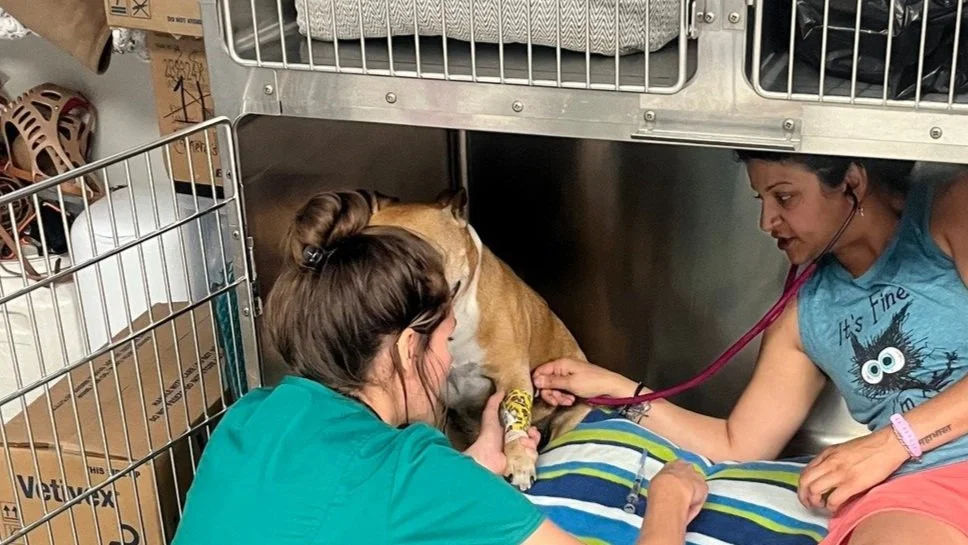
After Initial Treatment
Recovery varies by poison type:
Anticoagulants: Require extended vitamin K1 therapy. Treatment duration depends on the specific compound. Coagulation may not normalize until 12 hours after initial dosing.
Bromethalin: Neurological recovery varies significantly. Some animals improve over time; others have permanent effects.
Cholecalciferol: Kidney function requires ongoing monitoring. Permanent kidney damage is possible even with treatment.
Phosphides: Survivors may have gastrointestinal, hepatic, or cardiovascular complications.
Prevention Strategies
Rodent control alternatives:
Seal entry points
Remove food sources
Use mechanical traps in inaccessible locations
Consider professional pest control
If using rodenticides:
Reference the package label for active ingredients
Use tamper-resistant bait stations
Place only in areas pets cannot access
Document products used and placement
Remove bait when treatment ends
Frequently Asked Questions
How long after eating rat poison will my dog show symptoms?
It depends on the type. Phosphide poisoning causes symptoms within one hour. Bromethalin may show signs within 2-24 hours for high doses or several days for lower doses. Cholecalciferol typically causes symptoms after 36-48 hours. Anticoagulants have the longest delay, with bleeding typically occurring 3-5 days after ingestion.
Should I make my dog vomit if they ate rat poison?
No. Never induce vomiting unless specifically instructed by a veterinarian. Some rodenticides, particularly phosphides, can release toxic gases that are dangerous to both you and your pet. Contact your veterinarian immediately for guidance.
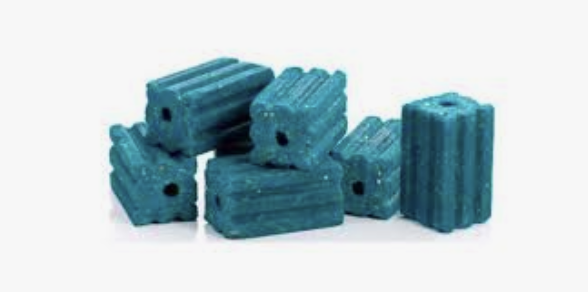
What's the difference between green and blue rat poison blocks?
Color doesn't indicate the type of poison. Green, blue, or any colored bait can contain anticoagulants, bromethalin, cholecalciferol, or phosphides. Some brands sell multiple types under the same label. Always check the active ingredient listed on the package, not the bait color.
Can cats die from eating a poisoned mouse?
Yes. Secondary poisoning can occur when cats eat rodents that have consumed rodenticide. Cats are particularly sensitive to bromethalin. If your cat catches a mouse that seems sick or sluggish, or if you're using rodenticides in your area, monitor your cat closely and contact your veterinarian if any unusual symptoms develop.
Is there an antidote for all types of rat poison?
No. Only anticoagulant rodenticides have a specific antidote (vitamin K1). Bromethalin, cholecalciferol, and phosphide poisonings have no antidotes and require supportive care. This is why identifying the specific type of poison is critical for treatment.
Dr. Priya Bhatt operates Bhatt Integrative Veterinary Specialty in Glenview. She is a Doctor of Veterinary Medicine and holds certification in Traditional Chinese Veterinary Medicine from Chi University.
For suspected rodenticide exposure, contact your veterinarian or nearest emergency clinic immediately. Time-sensitive treatment decisions require professional veterinary assessment.