

Integrative Neurology for Dogs and Cats
What Every Pet Parent Should Know
Watching your dog suddenly lose balance or seeing your cat have a seizure is terrifying. As a veterinary specialist, I've sat with hundreds of pet parents in those first frightening moments, and I know how helpless it feels when something goes wrong with your pet's nervous system.
Here's what I want you to know: neurologic problems don't have to mean the end of your pet's quality of life. Integrative neurology gives us tools to help pets with brain, spine, and nerve conditions live more comfortably, often with better outcomes than conventional treatment alone.
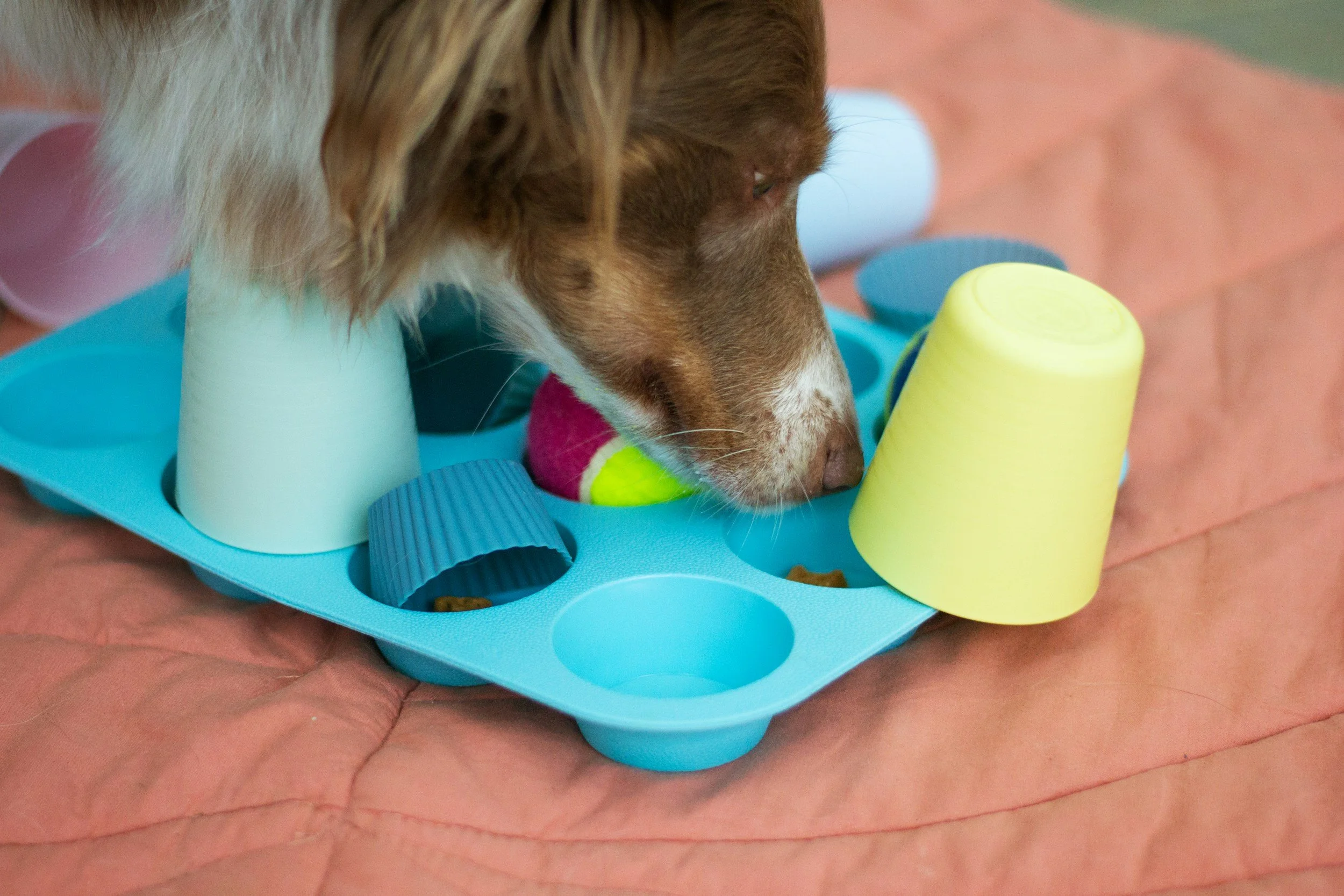
What Integrative Neurology Actually Means
Integrative neurology isn't about choosing between conventional medicine and alternative therapies. It's about using both, intelligently.
We still do the full diagnostic workup: MRIs, CT scans, cerebrospinal fluid analysis, whatever's needed to understand what's happening in your pet's nervous system. We still use medications, and when surgery is necessary, we recommend it. But we also layer in acupuncture, physical rehabilitation, photobiomodulation, herbal medicine, and targeted nutrition to support the whole patient.
This approach matters because neurologic disease affects more than just the nervous system. A dog with intervertebral disc disease isn't just dealing with a compressed spinal cord. They're dealing with pain, muscle atrophy, anxiety about moving, and often secondary issues like urinary complications or pressure sores. Addressing all of these factors together, rather than just treating the primary diagnosis, makes a real difference in how pets feel and function.
Neurologic Problems We See Most Often
The nervous system is complex, so problems can show up in different ways depending on which part is affected.
Brain conditions include seizure disorders (whether from epilepsy, tumors, or inflammatory disease), behavioral changes from cognitive dysfunction or brain lesions, and strokes. These conditions affect consciousness, personality, and overall brain function.
Vestibular problems involve the balance system. When something goes wrong here, pets develop that dramatic head tilt, can't stand without falling over, and experience severe dizziness. It looks awful, but depending on the cause, many of these pets recover well with appropriate care.
Spinal cord issues are probably what I see most frequently: intervertebral disc disease causing sudden paralysis, degenerative myelopathy leading to progressive weakness, and spinal injuries from trauma. These conditions affect mobility, coordination, and sometimes bladder and bowel control.
Peripheral nerve disorders damage the nerves outside the brain and spine, causing muscle wasting, loss of reflexes, or abnormal limb function.
In an integrative approach, I'm not just diagnosing the condition. I'm also evaluating pain levels, muscle strength, balance, anxiety, sleep quality, and appetite because all of these factors influence how well your pet can function day to day.
Warning Signs You Shouldn't Ignore
Some neurologic problems announce themselves dramatically. Others sneak up slowly. Either way, early recognition usually leads to better outcomes.
Brain-related signs that need immediate attention include seizures (whether full-body convulsions or subtle episodes like facial twitching), sudden behavior changes (new aggression, confusion, or staring into space), circling or head pressing against walls, and sudden blindness or disorientation.
Balance and vestibular signs are hard to miss: sudden head tilt with one ear lower than the other, falling or rolling to one side, wobbly walking with drifting or tight circling, rapid abnormal eye movements, and vomiting from severe dizziness. They might walk around in circles too.
Spinal cord and nerve signs often start with pain. Your dog cries when picked up, hunches their back, or refuses stairs they used to bound up easily. You might notice weakness, dragging toes, scuffing nails, or crossing the hind legs when walking. In severe cases, there's sudden paralysis or loss of bladder control.
Subtle early clues worry me sometimes more than dramatic signs because they're easy to dismiss. A previously confident dog hesitating at stairs. Showing sudden signs of blindness. Slower to rise in the morning. A slight head tilt that comes and goes. These small changes can signal the beginning of something significant, especially in older pets.
If you're seeing any of these signs, particularly if they're new, worsening, or appearing together, get your pet examined promptly. With neurologic disease, time matters.

What to Do in a Neurologic Emergency
During a seizure, stay calm even though it's scary. Move furniture away so your pet won't hurt themselves, but keep your hands away from their mouth. They won't swallow their tongue, but they can accidentally bite. Time the seizure. If it lasts longer than three minutes, or if your pet has multiple seizures within 24 hours, that's an emergency. Turn off bright lights and loud sounds, keep other pets away, and once the seizure ends and your pet is more aware, transport them to a veterinary hospital.
With sudden paralysis or severe wobbliness, do not let your pet walk or jump. Spinal cord compression gets worse with movement. Use something firm like a board or large baking sheet to move a big dog, keeping the spine as straight as possible. Call ahead to an emergency clinic so they know you're coming with acute neurologic signs.
For vestibular signs with severe dizziness and head tilt, keep your pet in a safe, padded area to prevent falls while they're disoriented. Offer water and small amounts of food only if they can swallow safely and aren't actively vomiting. Get same-day evaluation because we need to distinguish relatively benign geriatric vestibular disease from strokes, inner ear infections, or brain lesions.
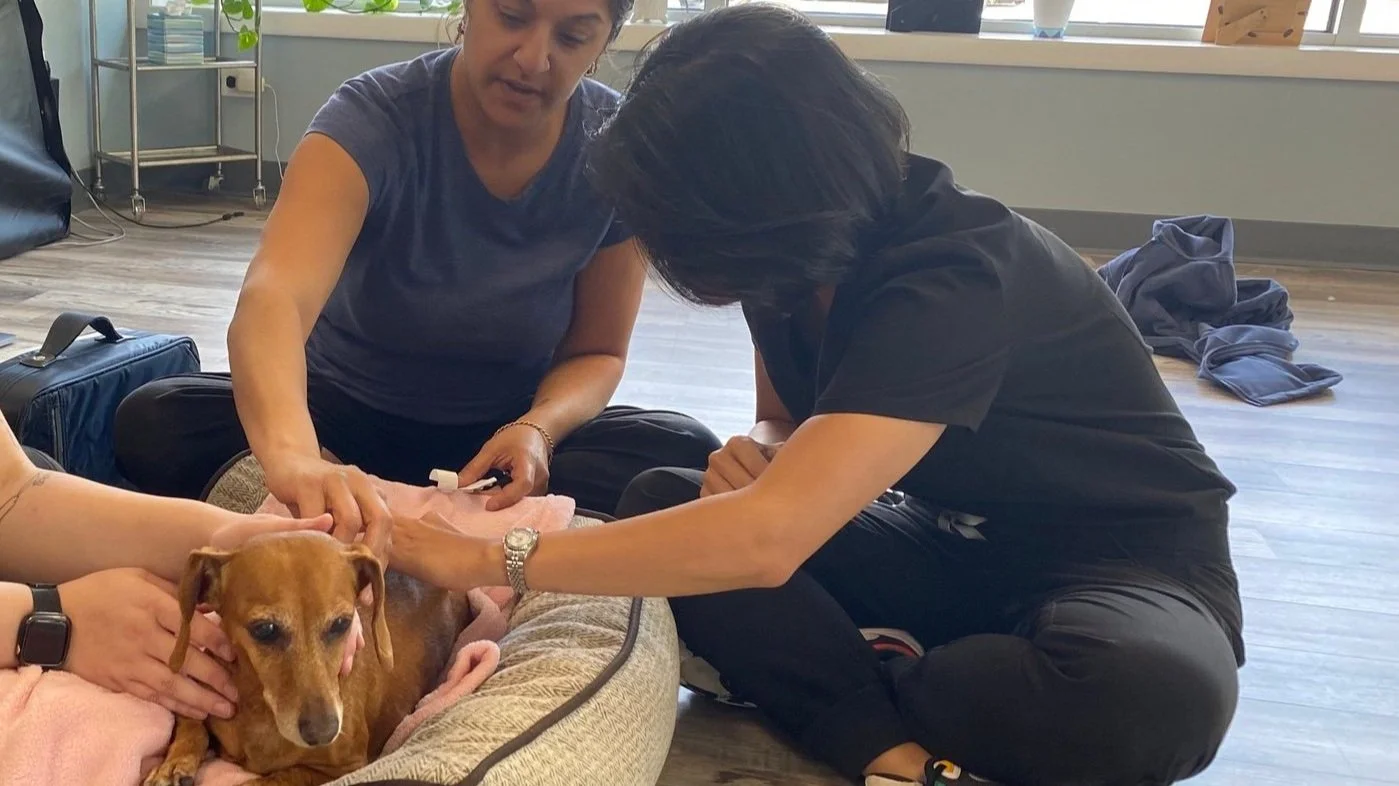
How Integrative Therapies Help
Once we've stabilized the emergency and established a diagnosis, integrative therapies focus on maximizing function and comfort over time.
Acupuncture and electroacupuncture involve placing thin needles at specific points to influence nerves, circulation, and nervous system function. In neurologic patients, I use acupuncture for pain control, supporting nerve healing, reducing muscle spasms, and promoting relaxation. It often improves comfort and mobility for pets with spinal cord injuries, chronic nerve pain, or degenerative conditions. It integrates safely with conventional medications like anti-seizure drugs and anti-inflammatories.
Physical rehabilitation is central to neurologic recovery. Targeted exercises, underwater treadmill work, balance training, and therapeutic modalities help rebuild strength, coordination, and balance after spinal surgery, disc disease, or stroke. They reduce fall risk, prevent muscle wasting, and support joint health. Many exercises can be adapted for home programs so you can actively participate in your pet's recovery.
Photobiomodulation (laser therapy) decreases inflammation and pain while supporting tissue repair around injured nerves and the spine. I often combine this with other modalities like therapeutic ultrasound for musculoskeletal components contributing to neurologic pain.
Herbal medicine and nutrition complement neurologic care when prescribed appropriately. In Traditional Chinese Veterinary Medicine, herbal formulas are chosen based on pattern diagnoses and may target pain, inflammation, circulation, or anxiety. Nutritional strategies help maintain healthy weight, reduce systemic inflammation, and provide nutrients important for nerve and muscle health. Food therapy in TCVM tailors diets to the individual patient, using warming, cooling, or neutral foods to support overall balance.
All of these therapies should be applied in an evidence-informed way, with clear understanding of benefits, limitations, and potential interactions with conventional medications.
Your Role at Home
You're a central member of your pet's neurologic care team, with daily opportunities to support their safety and progress.
Create a safer environment. Use non-slip rugs or yoga mats on slick floors to prevent falls and boost confidence. Block access to stairs unless you're supervising, especially for pets with weakness or balance problems. Elevate food and water bowls if neck or back pain is present. Keep litter boxes low-entry for cats.
Support mobility and comfort. Harnesses, slings, and supportive vests help you assist your pet on walks and bathroom trips. Follow your rehab plan consistently. Short, frequent exercises are usually safer and more effective than occasional long sessions. Monitor for pain signs like restlessness, panting at rest, tense muscles, or changes in appetite and sleep.
Follow through with medications and therapy. Give medications exactly as directed. Never adjust doses without guidance, especially with anti-seizure drugs. Keep a simple log of seizures, falls, or behavior changes so patterns are easy to share with your veterinarian. Use written instructions and video demonstrations when available to correctly perform home exercises or use mobility aids.
Strong follow-up and open communication improve outcomes and build your confidence in managing a neurologic condition.
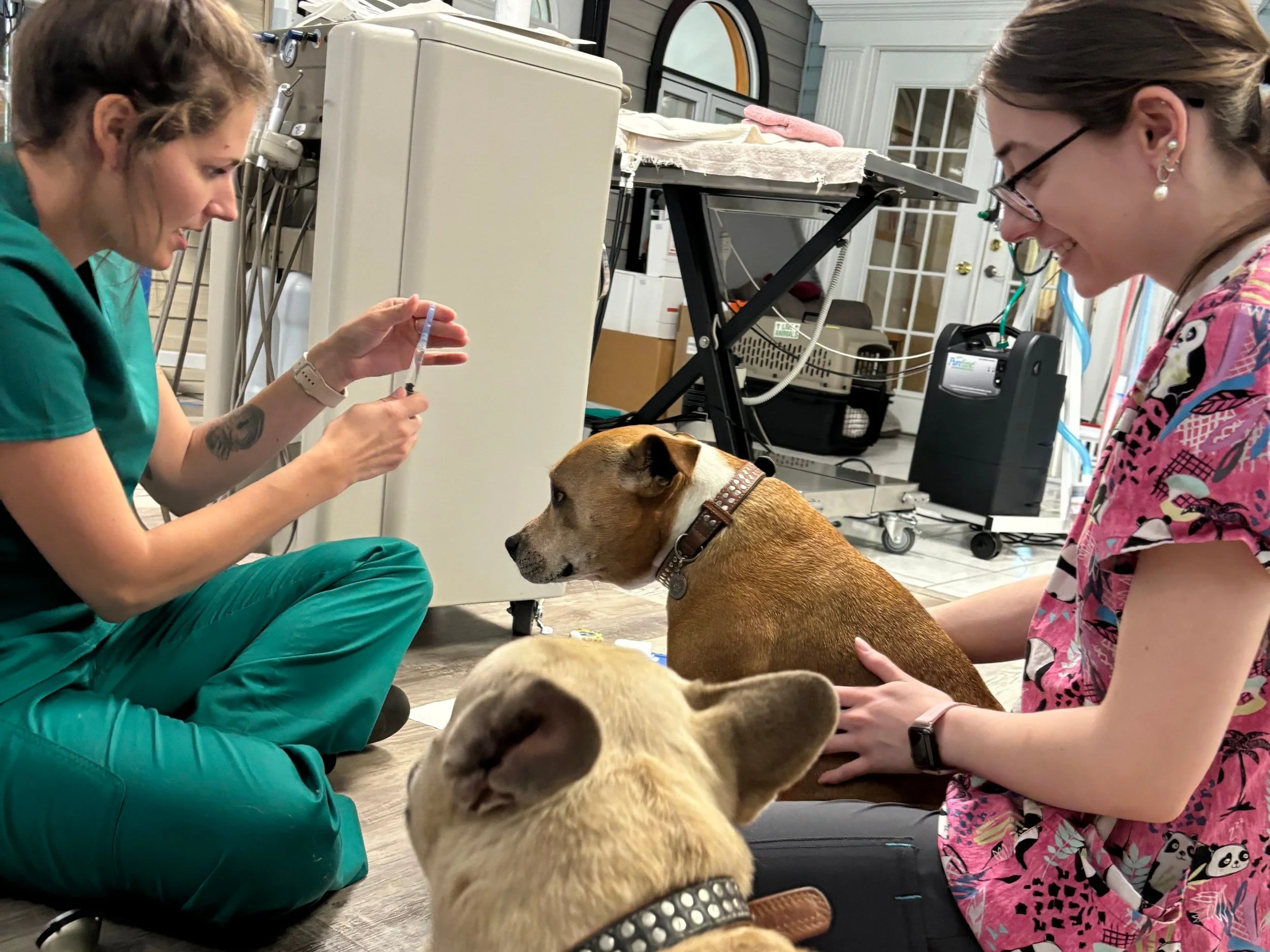
When to Consider a Specialty Consultation
An integrative neurology consultation can be helpful at many stages, not just after a crisis.
Consider a specialty visit if your pet has had seizures, balance problems, spinal pain, or unexplained weakness. If a neurologic diagnosis has already been made but you want additional options to support mobility, comfort, or quality of life. If your pet is recovering from spinal or brain surgery and you want a structured rehab and integrative pain management plan. Or if medications control symptoms but cause side effects like sedation, appetite changes, or gastrointestinal upset, and you're seeking complementary strategies.
At our practice, you can expect a thorough history, complete neurologic examination, review of prior tests, and a customized plan that may include diagnostics, medications, acupuncture, rehabilitation, laser therapy, herbal medicine, and nutritional support as appropriate for your individual pet.
If you're noticing possible neurologic signs in your dog or cat—seizures, wobbliness, sudden behavior changes, or persistent pain—don't wait to reach out. With timely diagnosis and a thoughtful blend of conventional and integrative therapies, many pets regain function, feel more comfortable, and enjoy better quality of life alongside their families.
Frequently Asked Questions About Integrative Neurology for Pets
-
Treat it as an emergency if your pet has a seizure lasting longer than three minutes, multiple seizures within 24 hours, sudden paralysis or inability to stand, severe head tilt with vomiting and inability to walk, sudden blindness or disorientation, or loss of bladder control combined with hind-end weakness. These signs need immediate veterinary attention because outcomes often depend on how quickly treatment starts, especially with spinal cord compression.
-
Yes, many dogs with intervertebral disc disease benefit from integrative approaches even after losing the ability to walk. Acupuncture and electroacupuncture can support nerve healing and pain control. Physical rehabilitation helps maintain muscle mass, prevent pressure sores, and sometimes aids in regaining function. Laser therapy may reduce inflammation around the injured spinal cord. The key is starting as soon as possible after the injury or surgery, though we can still help dogs in the chronic phase of recovery.
-
Acupuncture is generally safe to use alongside anti-seizure medications like phenobarbital, levetiracetam, or zonisamide. In fact, some research suggests acupuncture may help reduce seizure frequency in certain patients, though it should never replace prescribed medications. I always review your pet's complete medication list before starting any integrative therapy to check for potential interactions. The goal is supporting your pet's overall neurologic health while maintaining seizure control.
-
The timeline varies significantly based on the condition. With acute vestibular disease, you might see improvement within days to a week. For spinal cord injuries, meaningful progress often takes 4-6 weeks of consistent therapy, though some changes appear sooner. Chronic conditions like degenerative myelopathy focus more on maintaining function and comfort rather than cure, so "improvement" means slowing progression and enhancing quality of life. I typically recommend an initial trial period of 4-6 treatment sessions before evaluating whether the approach is helping your individual pet.
-
A regular veterinarian can identify many neurologic problems and start initial treatment, which is absolutely appropriate for straightforward cases. An integrative neurology consultation involves a more detailed neurologic examination, review of advanced imaging if available, and creation of a comprehensive treatment plan that blends conventional medications with acupuncture, rehabilitation, herbal medicine, and other modalities. It's particularly valuable for complex cases, pets not responding well to standard treatment, those recovering from surgery, or when you want additional options beyond medication alone.
-
Costs vary based on your pet's specific needs. Ask us about pricing.
Most neurologic patients benefit from weekly treatments initially, then spacing out as they improve. While this represents an investment, many pet parents find that integrative care reduces long-term medication costs, prevents complications that require emergency care, and significantly improves their pet's quality of life. -
Absolutely. Hind-end weakness in older dogs can stem from several neurologic conditions including degenerative myelopathy, lumbosacral disease, or peripheral nerve problems. After determining the underlying cause, we can create a plan that might include acupuncture for nerve support, targeted exercises to maintain strength and coordination, laser therapy for pain and inflammation, nutritional support, and mobility aids like harnesses. While we may not be able to reverse degenerative conditions, we can often slow progression and keep your dog more comfortable and mobile for longer.
-
Bhatt Integrative Veterinary Specialty in Glenview, Illinois serves the greater Chicagoland area with integrative neurology services. Dr. Priya Bhatt is certified in veterinary acupuncture, food therapy, and veterinary medical manipulation, and works with collaborative specialists to provide comprehensive neurologic care. We see both local clients and offer consultations for pet parents throughout the country seeking personalized integrative treatment plans. You can learn more at bhattvetspecialty.com or call to discuss whether your pet would benefit from an integrative neurology consultation.
-
After a first seizure, your cat needs a thorough veterinary examination to look for underlying causes. This typically includes bloodwork to check organ function and rule out metabolic problems, and often advanced imaging like an MRI to evaluate the brain. Many cats have idiopathic epilepsy where no specific cause is found, but we also look for brain tumors, inflammatory disease, toxin exposure, or other treatable conditions. Treatment decisions depend on seizure frequency and severity. A single isolated seizure may just require monitoring, while recurrent seizures usually need anti-seizure medication. Integrative approaches can complement conventional treatment by supporting overall brain health and potentially reducing seizure frequency.
-
It depends entirely on the condition. Acute problems like idiopathic vestibular disease often resolve within weeks and may never recur. Pets recovering from spinal surgery might need intensive therapy for months, then transition to maintenance exercises at home. Chronic progressive conditions like degenerative myelopathy require ongoing management to maintain quality of life for as long as possible. Epileptic pets typically need lifelong anti-seizure medication, though integrative support may help reduce doses or frequency over time. During your consultation, I'll give you realistic expectations about your pet's specific condition and what long-term management might look like.